

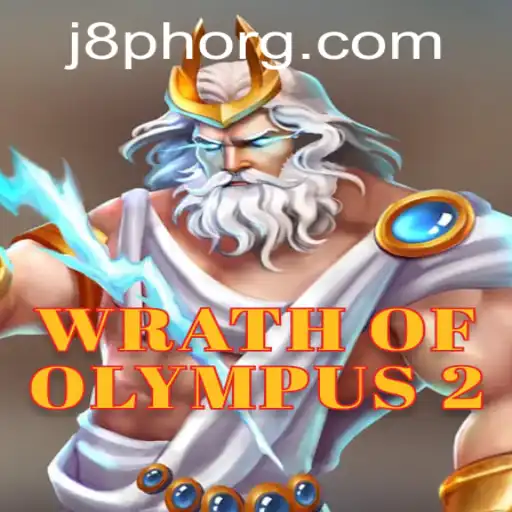


Zeus: Unleashing the Power of the Gods in Games
In the vast universe of gaming, few themes captivate audiences as consistently as mythology. One such game immersing players in this rich tapestry of lore and legend is Zeus. This game, inspired by the grandeur of Greek mythology, invites players to step into the thundering shoes of Zeus, the King of the Gods.
Introduction to the World of Zeus
The game Zeus offers players the unique opportunity to command the skies and the destinies of both gods and men. Within this captivating world, players navigate through challenges that require strategic planning, tactical prowess, and a deep understanding of the ancient myths that shape their path. Released to critical acclaim, Zeus quickly captured the imaginations of people around the world, creating a community of players passionate about the divine narratives.
At its core, the game presents a multifaceted portrayal of Zeus, who is not just a sovereign of the skies but also a symbol of power, justice, and sometimes wrath. As the narrative unfolds, players often encounter iconic figures from Greek mythology, each interactions carrying the potential to alter the balance of power on Mount Olympus.
The Gameplay Experience
Zeus every player steps into a landscape that echoes with the whisper of ancient myths. The game design intricately weaves elements of strategy and storytelling, resulting in a dynamic experience where players must make choices that resonate through mountain peaks and deep valleys.
The game mechanics are both challenging and rewarding, offering an intuitive interface that belies the depth within. While assuming the role of Zeus, players must manage resources, forge alliances, and occasionally, harness the destructive power of storms and lightning to maintain their rule. It's a delicate balance that requires strategic finesse and the wisdom of myths passed through generations.
Strategic Elements in Zeus
What sets Zeus apart is its intricate system of strategy that blends perfectly with mythological storytelling. Players are tasked with building and managing their very own mythic realms. This involves constructing cities, organizing armies, and appeasing the other deities that constitute the Greek pantheon.
The game thrives on decision-making moments where players must prioritize between infrastructural development and military might. Whether addressing the needs of their followers or dealing with the whims of fellow gods, players must craft a strategy that ensures both prosperity and survival.
Understanding the Rules of Zeus
The rules governing Zeus emphasize not only the player's divine role but also the responsibilities that come with wielding such power. To succeed, players must understand the delicate interplay of divine interventions and mortal affairs. Here are some of the key rules that guide gameplay:
- Resource Management: Players oversee various resources such as ambrosia, stone, and gold. Wise management is crucial to sustain and expand the mythic empire.
- Diplomatic Relations: Maintaining relationships with other gods can lead to powerful alliances or devastating conflicts. Players must engage diplomatically to secure their position in Olympus.
- Quest System: Embarking on quests allows players to gain favor, unlock unique abilities, and claim relics of immense power.
- City Development: Constructing temples, markets, and barracks form the backbone of a thriving divine civilization. Each structure contributes to the overall strength and influence of a player's realm.
Adapting to Current Trends
In 2023, gaming trends indicate a growing player interest in virtual environments that blend fiction with meticulous attention to historical detail. Zeus capitalizes on these preferences by integrating a dynamic environmental system where weather patterns and day-night cycles influence game mechanics, reflecting the unpredictability and grandeur of Greek mythology.
Amidst global discussions on sustainability and climate change, Zeus subtly incorporates these themes into its gameplay. Players often find themselves addressing real-world issues such as resource scarcity and the impact of environmental decisions, offering a crossover of contemporary issues with ancient legend.
Community and Expansion
The game has fostered a vibrant community that thrives on collaboration, creativity, and competition. Online forums and social media platforms are abuzz with fan theories, strategy discussions, and user-generated content that seek to expand the boundaries of the mythological universe.
Additionally, regular updates and expansions continuously expand Zeus's world, introducing new characters, storylines, and gameplay mechanics. These additions ensure that players always have new challenges to conquer and new stories to explore, keeping the community engaged and eager for more adventures.
Conclusion
Zeus stands as a testament to the enduring fascination with mythology and the creative potential it holds for the gaming industry. By immersing players in the intrigues and epic battles of the ancient world, the game delivers an experience that is both educational and exhilarating.
As we continue to explore the realms of the gods, Zeus remains a shining example of how games can transcend mere entertainment to become a profound journey through history, legend, and the human condition.